
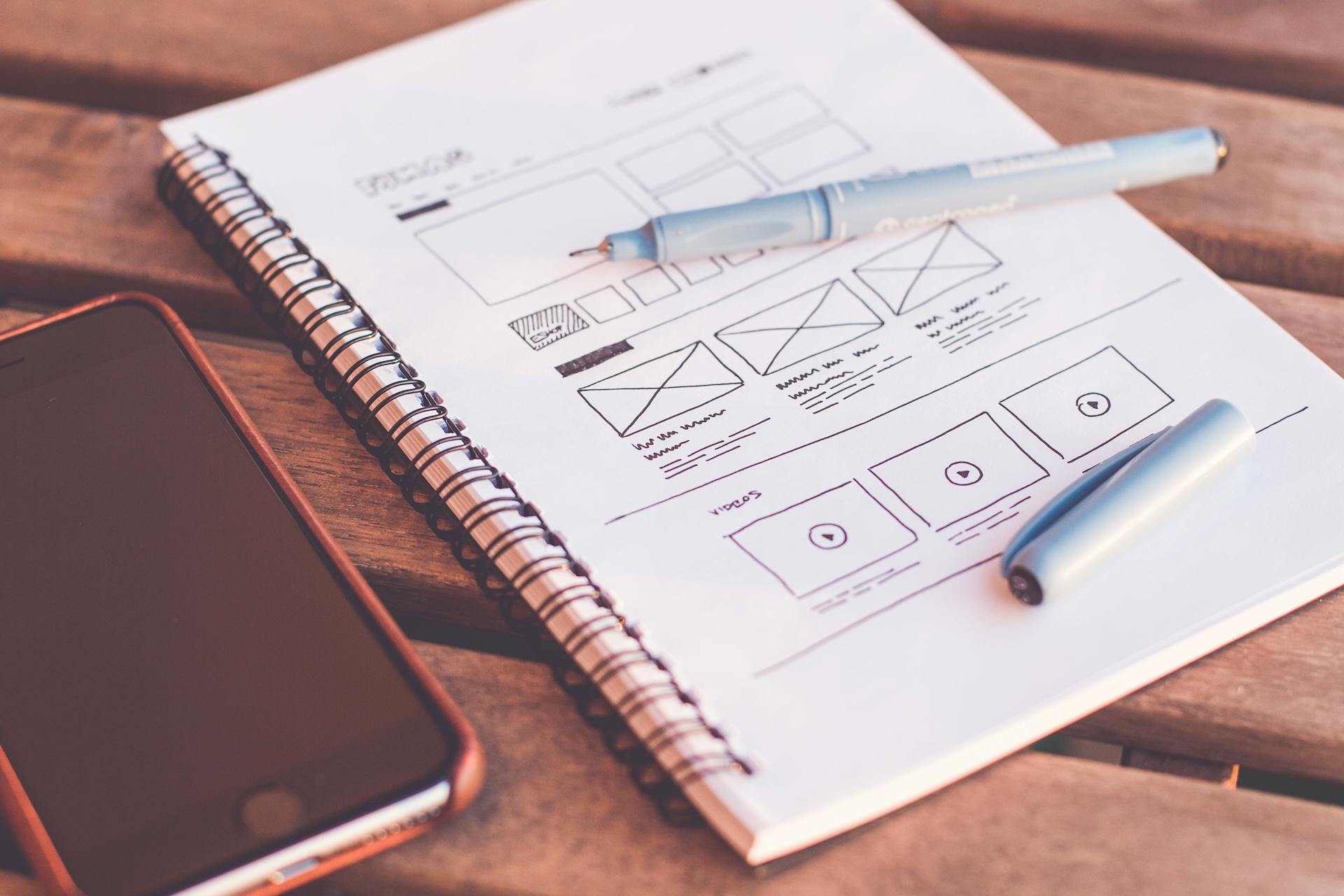
Discovery — listening before deciding
Weeks 1–8 — 202442 customer interviews, stakeholder mapping, and a competitive read. The finding: customers already used platform language the brand refused to.
Case study · 2024–2025
Fourteen months with a 200-person enterprise SaaS: new positioning, new identity, new site. Outcome: +38% inbound, +14% close rate.
A nine-year-old B2B platform had outgrown its internal-IT-tool positioning. This is how the rebuild ran, in order.
42 customer interviews, stakeholder mapping, and a competitive read. The finding: customers already used platform language the brand refused to.
The numbers a rebrand is usually too shy to publish. Measured across the two quarters after rollout against the two before discovery, same sales team, same pricing.
Measured across the two quarters after rollout against the two before discovery. Same sales team, same pricing, same product.
| Feature | Before the rebuild | After rollout |
|---|---|---|
How the company described itself | Internal IT tool | Platform of record |
Inbound demos per month | 61 | 84 +38% |
Sales close rate | 18% | 21% +14% relative |
Cost per acquisition | $4,100 | $3,200 −22% |
Time to first sales conversation | 3 calls of explaining | Starts at the price |
Marketing site templates | 4, hand-built each time | 11, tokenised, owned in-house |
Who could ship a new page | Agency, 3 weeks | Their team, same day |
“They renamed what we already were. That sounds small. It changed how every deal conversation starts.”
Research-led positioning, message architecture, and a voice guide with before/after rewrites for every core page.
Mark, type, colour, tokens, and a documented component library the in-house team now owns.
Marketing-site templates, in-product copy refresh across 200+ surfaces, and a six-month phased rollout plan.
Eight weeks before a single visual. Every later decision traces to something a customer said.
Positioning, scope, and trade-offs live in shared documents — the client could always answer "why is it like this."
Everything handed off documented and tokenised. The measure of the system is what they built with it after we left.
Six months, three phases, no big-bang. Customers experienced continuity; the market experienced news.
A note about publishing this,
Most rebrand case studies stop at the logo. That is because the numbers usually are not there, and when they are, the client rarely lets you print them.
This one let us — anonymised, but real, and checked against their own dashboards before it went up. Fourteen months is a long time to be inside a company, and the honest summary is that the identity was the smallest part of it. The work was getting two hundred people to say the same sentence about what they sell.
If that sounds like where you are, the first conversation is free and usually short. I will tell you if a rebrand is not the thing you need.
The studio
Founder + lead, on every project
The client is happy to take a reference call once we have agreed a project shape.
A paragraph about where your brand is stuck is enough to start. I reply within two business days.
Where the brand is now, where the business is going, and what's in the way.